


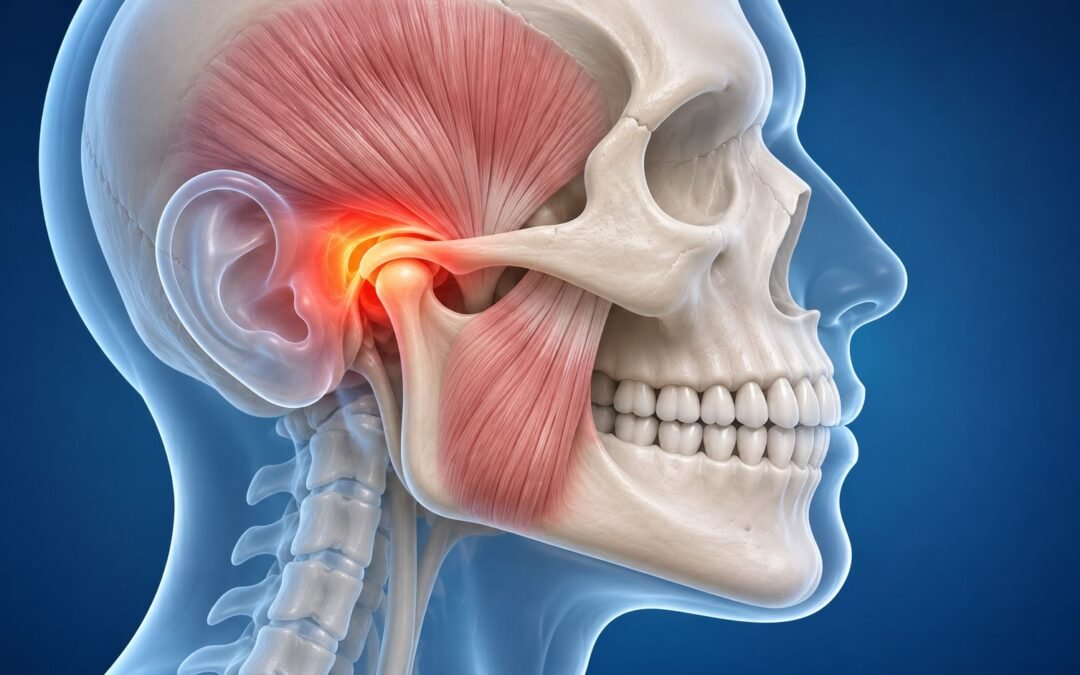
Jaw pain can make everyday activities such as chewing, speaking, yawning, and even sleeping uncomfortable. If you frequently experience jaw stiffness, clicking sounds, headaches, or difficulty opening your mouth, you may be experiencing a temporomandibular joint (TMJ) disorder. Understanding the causes and available treatments can help you manage symptoms and improve your quality of life.
At Smiley Dental Clinic, Bhiwandi, we believe that recognising the signs of TMJ disorders early and seeking appropriate dental evaluation are important steps towards better jaw health.
What Is TMJ Disorder?
The temporomandibular joints are located on either side of your face, just in front of your ears. These joints connect your lower jaw to your skull and help you open and close your mouth smoothly.
Temporomandibular disorders (TMD) refer to a group of conditions affecting these joints, the surrounding muscles, and related structures. Although people commonly use the term TMJ disorder, TMJ technically refers to the joint itself.
TMD may cause temporary discomfort or persistent jaw pain. Symptoms and severity vary from person to person, and treatment depends on the underlying cause.
Common Symptoms of TMJ Disorder
TMJ disorders can produce several symptoms that may interfere with daily activities. Common signs include:
Jaw pain or tenderness: Discomfort around the jaw joints, cheeks, or temples.
Clicking or popping sounds: Noises while opening or closing the mouth, sometimes accompanied by pain.
Difficulty opening the mouth: Restricted movement, stiffness, or occasional jaw locking.
Headaches: Pain around the temples that may occur alongside jaw muscle tension.
Ear-related discomfort: Pain around the ears, sometimes without an identifiable ear problem.
Pain while chewing: Discomfort when biting or eating certain foods.
Clicking alone does not necessarily indicate a disorder requiring treatment. However, persistent pain, locking, or restricted jaw movement should be evaluated by a qualified healthcare professional.
What Causes TMJ Disorder and Chronic Jaw Pain?
There is rarely one single cause of TMJ disorders. Several factors may contribute to symptoms.
1. Teeth grinding and clenching:
Bruxism can overload the jaw muscles and joints, contributing to muscle fatigue and discomfort.
2. Stress and muscle tension:
Stress may increase unconscious clenching and contribute to persistent jaw muscle pain.
3. Jaw joint inflammation or injury:
Trauma, inflammation, or damage to joint structures may cause pain and restricted movement.
4. Arthritis:
Certain forms of arthritis can affect the temporomandibular joints and interfere with their normal function.
5. Jaw movement problems:
Some patients experience disc displacement or other joint-related changes that affect movement.
Identifying contributing factors is essential because not all cases of jaw pain have the same cause.
How Is TMJ Disorder Diagnosed?
Diagnosis begins with a detailed history of your symptoms, including when the pain started, what makes it worse, and whether you experience headaches, grinding, or jaw locking.
Your dentist may examine jaw movement, muscle tenderness, joint sounds, and the way your teeth come together. Imaging, such as an MRI or CT scan, may be recommended in selected cases when the findings could influence treatment decisions.
Because dental, muscular, joint-related, and other medical conditions can cause similar symptoms, an accurate diagnosis is important before starting treatment.
Treatment Options for TMJ Disorder
Many TMJ disorders improve with conservative, non-surgical treatment. Depending on the diagnosis, your dentist may recommend:
Self-care and lifestyle changes: Eat softer foods temporarily, avoid chewing gum, limit extreme mouth opening, and apply a warm or cold compress according to comfort.
Jaw exercises and physiotherapy: Professionally guided exercises may help improve mobility and reduce muscle tension in suitable cases.
Stress management: Relaxation techniques and awareness of daytime clenching may help reduce excessive jaw muscle activity.
Occlusal splints: A professionally prescribed oral appliance may help manage selected cases, particularly those associated with teeth grinding. Its benefits vary, and it should be reviewed regularly.
Medication: A healthcare professional may recommend appropriate medication for short-term symptom management, depending on your medical history and the cause of pain.
Specialist care: Persistent or complex symptoms may require referral to an orofacial pain specialist or another appropriate healthcare professional. Surgery is generally reserved for selected cases when other suitable approaches have not helped.
When Should You Seek Professional Help?
Consult a dental or medical professional if jaw pain persists, repeatedly returns, interferes with eating, or limits mouth opening. Seek urgent assessment if you cannot close your mouth after opening it, have a sudden major change in jaw movement, or experience significant facial swelling or fever.
Frequently Asked Questions About TMJ Disorder
Can TMJ disorder go away on its own?
Some mild cases settle with simple self-care, such as softer foods and resting the jaw. If pain lasts for more than a few weeks or keeps coming back, a professional assessment is advisable.
Can teeth grinding cause jaw pain?
Yes. Grinding or clenching, especially at night, can tire the jaw muscles and strain the joints. A dentist can check your teeth for signs of wear and suggest suitable ways to manage it.
Which doctor should I see for TMJ pain?
A dentist is often a good first point of contact for jaw pain. Depending on the findings, you may be referred to an orofacial pain specialist, an oral and maxillofacial surgeon, or another medical professional.
Does TMJ disorder always need surgery?
No. Most people are first treated with conservative options such as self-care, jaw exercises, and splints. Surgery is considered only for selected cases when other approaches have not helped.
TMJ and Jaw Pain Treatment in Bhiwandi
Chronic jaw pain should not be ignored, particularly when it affects eating, speaking, or sleep. At Smiley Dental Clinic, Bhiwandi, patients can seek dental evaluation for jaw discomfort, TMJ-related symptoms, and possible teeth-grinding concerns. The appropriate next step depends on a careful assessment and the suspected cause.
Remember: TMJ disorders are manageable in many cases, and early evaluation can help identify suitable treatment options. If you experience persistent jaw pain or stiffness, consult a qualified professional for personalised advice and care.
Important: This content is for general health awareness and is not a diagnosis. Jaw pain can have dental as well as non-dental causes, so please get a professional assessment if your symptoms continue.