


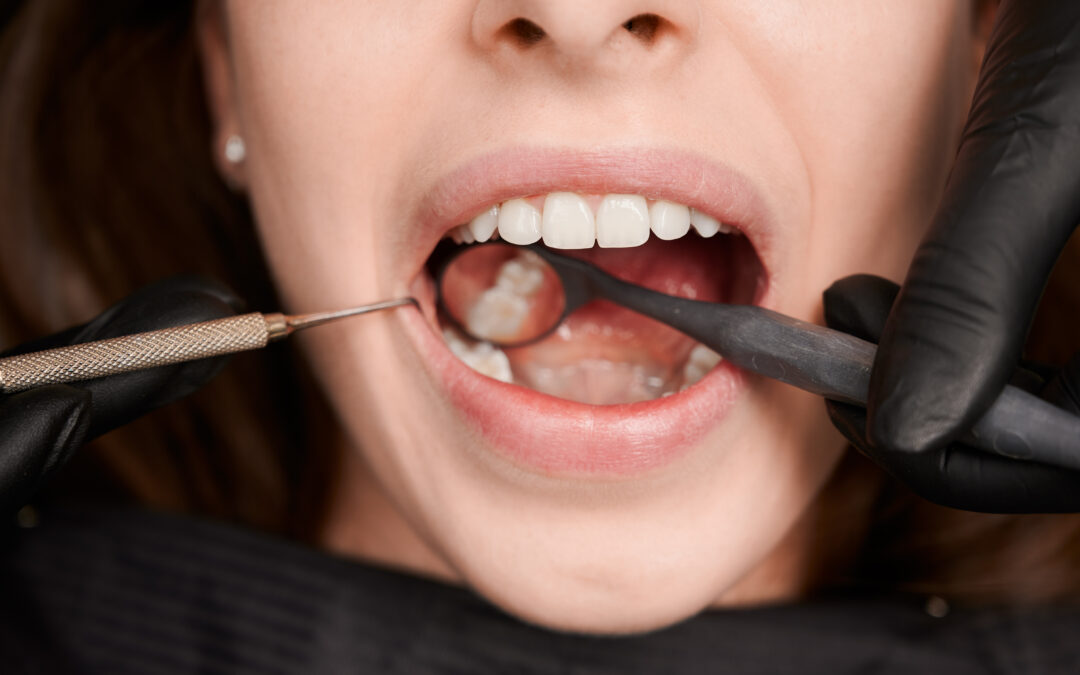
Many people believe that once a tooth starts decaying, it will always need a filling. But is that really true? The answer is sometimes. In the very early stage, tooth decay can be slowed, stopped, and in some cases even reversed. However, once the cavity becomes deeper, professional dental treatment is necessary.
At Smiley Dental Clinic, we often meet patients who are confused by online advice and home remedies. Let’s separate myth from reality and understand when early tooth decay reversal is possible.
What Is Early Tooth Decay?
Tooth decay begins when bacteria in the mouth feed on sugars and produce acids. These acids attack the enamel, which is the hard outer layer of the tooth.
The earliest stage of decay usually appears as:
White chalky spots on teeth
Mild sensitivity
Rough or dull enamel surface
No visible hole yet
At this point, the enamel is weakened but not fully broken. This stage is called demineralization, and it may still be reversible.
Myth vs Reality About Reversing Tooth Decay
Myth 1: Every Cavity Needs a Filling
Reality:
Not every early lesion needs drilling immediately. If decay is limited to the enamel and there is no hole, your dentist may recommend remineralization treatments, fluoride care, and monitoring.
Myth 2: Toothpaste Alone Can Cure Any Decay
Reality:
Fluoride toothpaste helps strengthen enamel and can support repair of early damage. But it cannot rebuild a tooth with a deep cavity or replace lost tooth structure.
Myth 3: If It Doesn’t Hurt, It’s Not Serious
Reality:
Early tooth decay often causes no pain at all. Many cavities remain painless until they reach deeper layers of the tooth. That is why regular dental check-ups are important.
Myth 4: Home Remedies Can Heal Cavities Completely
Reality:
Oil pulling, clove oil, or herbal remedies may help with oral hygiene or temporary comfort, but they do not remove decay or restore damaged enamel like professional care can.
Myth 5: Children’s Cavities Don’t Matter Because Baby Teeth Fall Out
Reality:
Decay in baby teeth can cause pain, infection, chewing problems, and affect the growth of permanent teeth. Early treatment is essential.
How Early Tooth Decay Can Be Reversed
When decay is caught early, dentists focus on rebuilding minerals in enamel and stopping bacteria activity.
Fluoride Treatment
Professional fluoride varnish or gels help strengthen enamel and make teeth more resistant to acid attacks.
Better Oral Hygiene
Brushing twice daily with fluoride toothpaste and flossing removes plaque and reduces bacteria.
Diet Changes
Reducing sugary snacks, soft drinks, and frequent snacking gives teeth time to recover naturally.
Saliva Support
Saliva helps neutralize acids and repair enamel. Staying hydrated and chewing sugar-free gum may support saliva flow.
Regular Monitoring
Your dentist may track early spots and ensure they are improving instead of worsening.
When Tooth Decay Cannot Be Reversed
Once decay creates a hole or reaches deeper layers of the tooth (dentin), the tooth usually needs treatment such as:
Fillings
Inlays or onlays
Root canal treatment
Crowns
At this stage, the lost structure cannot grow back naturally.
Warning Signs You Should Not Ignore
Book a dental visit if you notice:
Tooth sensitivity to hot or cold
Food getting stuck in one area
Visible brown or black spots
Pain while chewing
Bad breath
Rough edges or holes in teeth
These signs may mean the decay has progressed.
How to Prevent Cavities Naturally
The best treatment is prevention. Follow these habits:
Brush twice daily with fluoride toothpaste
Floss once daily
Limit sugary foods and drinks
Drink enough water
Visit your dentist every 6 months
Get professional cleaning regularly
Final Verdict: Myth vs Reality
Yes, early tooth decay can sometimes be reversed, but only in the earliest stage before a cavity forms. Once the tooth structure breaks down, professional treatment is needed.
If you are looking for cavity treatment in Bhiwandi or want to know whether your tooth decay can still be reversed, visit Smiley Dental Clinic. Early diagnosis can save your tooth, your time, and your money.