


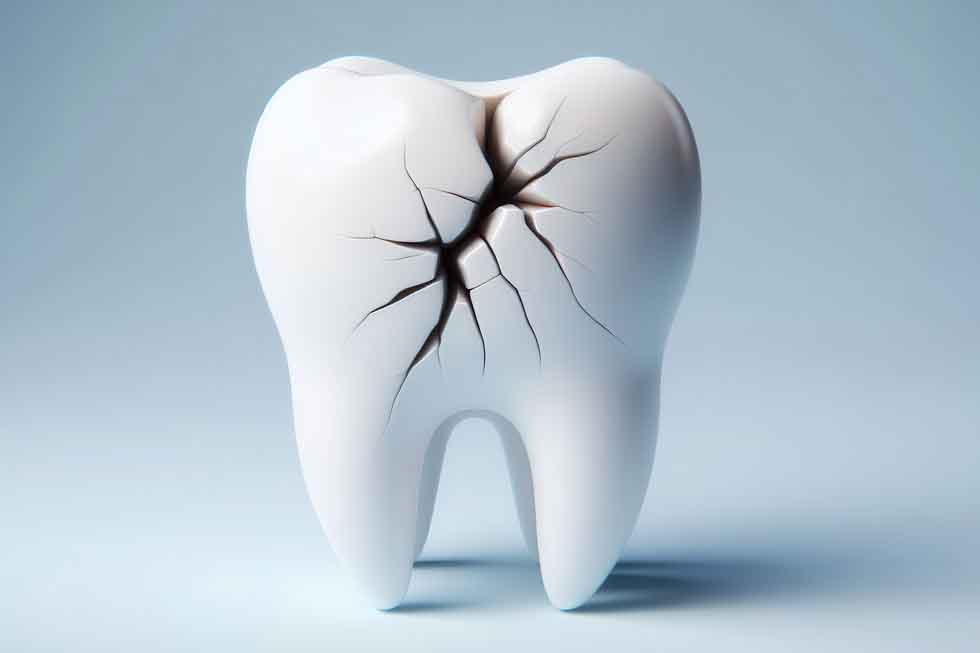
Cracking a tooth while eating can be painful and frightening. Many people suddenly feel a sharp pain when biting into something hard like nuts, ice, or hard candy. A cracked tooth is a common dental problem, but the good news is that it can often be treated successfully if detected early.
At Smiley Dental Clinic, we frequently see patients who experience tooth cracks while eating. Understanding the causes, symptoms, and treatments can help you protect your smile.
Common Causes of Cracked Teeth
Several factors can weaken teeth and make them more likely to crack.
1. Biting Hard Foods
Hard foods like ice, popcorn kernels, hard candy, and nuts can put excessive pressure on teeth. If a tooth is already weak, it may crack under this pressure.
2. Large Dental Fillings
Teeth with large fillings may be weaker because a significant part of the natural tooth structure has been removed.
3. Teeth Grinding (Bruxism)
Grinding or clenching teeth, especially during sleep, places continuous stress on teeth and can eventually cause cracks.
4. Sudden Temperature Changes
Drinking hot tea immediately after eating ice cream can cause teeth to expand and contract quickly, sometimes leading to cracks.
5. Accidents or Trauma
Falls, sports injuries, or sudden impacts to the mouth can cause teeth to crack.
6. Aging
As we age, teeth naturally become weaker due to years of chewing and wear.
Signs of a Cracked Tooth
Sometimes tooth cracks are not immediately visible. However, certain symptoms can indicate a problem.
Common signs include:
- Sharp pain while chewing
- Sensitivity to hot or cold foods
- Pain that comes and goes
- Swelling around the tooth
- Difficulty biting down
If you notice these symptoms, it is important to visit a dentist as soon as possible.
Treatment Options for Cracked Teeth
Treatment depends on the severity and location of the crack.
Dental Bonding or Filling
Small cracks can often be repaired using tooth-colored fillings or bonding material.
Dental Crown
If a large part of the tooth is damaged, a dental crown may be placed to protect and strengthen the tooth.
Root Canal Treatment
If the crack reaches the inner pulp of the tooth, a root canal treatment may be necessary to remove the infection.
Tooth Extraction
In severe cases where the tooth cannot be saved, removal may be required, followed by replacement options like implants or bridges.
How to Prevent Cracked Teeth
Prevention is always better than treatment. Here are some simple tips to protect your teeth.
- Avoid chewing ice and very hard foods
- Wear a mouthguard if you grind your teeth
- Use protective mouthguards during sports
- Maintain regular dental checkups
- Treat small dental problems early
Regular dental visits help detect early signs of cracks before they become serious.
When Should You See a Dentist?
If you feel pain while biting or notice sudden sensitivity, it may indicate a cracked tooth. Early diagnosis can prevent further damage and save the tooth.
At Smiley Dental Clinic in Bhiwandi, our experienced dental team uses modern equipment to diagnose and treat cracked teeth effectively.
Conclusion
Cracked teeth are common but should never be ignored. Hard foods, grinding habits, aging, and trauma can all contribute to tooth cracks. With early diagnosis and proper treatment, most cracked teeth can be saved.
If you experience pain while eating or suspect a cracked tooth, schedule a dental consultation immediately to protect your oral health.