


Many people delay dental fillings because cavities often do not cause immediate pain. However, ignoring a cavity can lead to serious dental problems over time.
At Smiley Dental Clinic, we often see patients who could have avoided complex treatments if they had treated their cavities earlier.
What Is a Dental Filling?
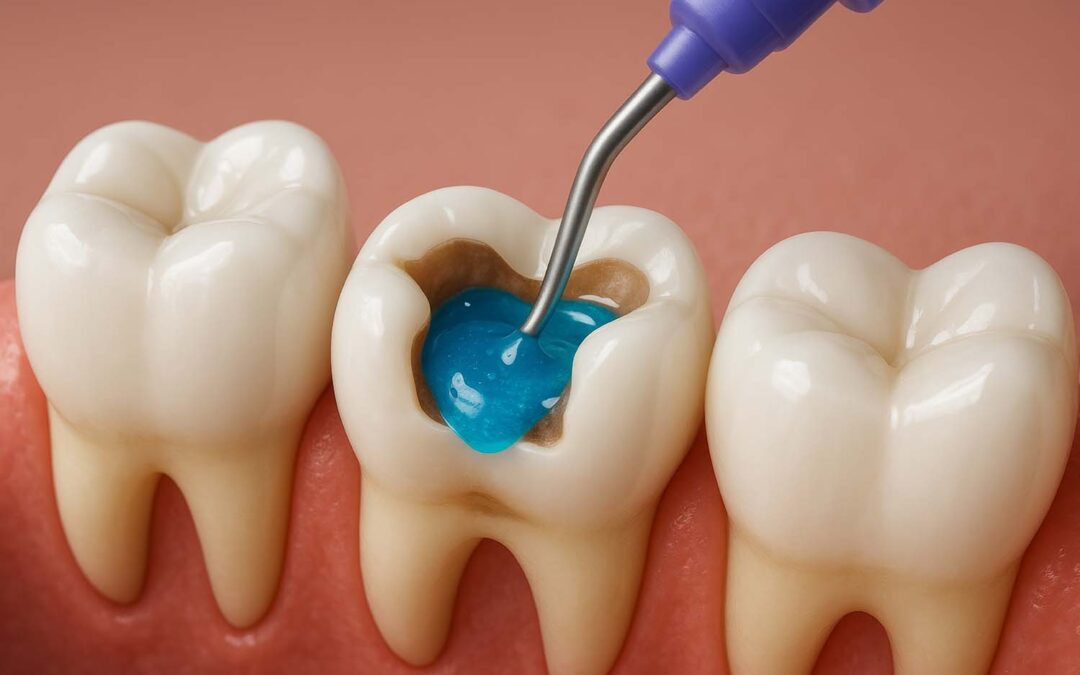
A dental filling is a common treatment used to repair teeth damaged by cavities. The dentist removes the decayed part of the tooth and fills the area with a safe dental material.
This restores the tooth’s strength and prevents further decay.
What Happens If You Delay a Filling?
Delaying treatment allows the cavity to grow deeper and damage more of the tooth structure.
1. Cavity Becomes Larger
Small cavities are easy to treat. However, if ignored, the decay spreads and removes more healthy tooth structure.
2. Increased Tooth Sensitivity
As decay approaches the inner part of the tooth, sensitivity to hot, cold, or sweet foods may increase.
3. Severe Tooth Pain
Once the decay reaches the tooth pulp, intense pain can occur.
4. Risk of Tooth Infection
Untreated cavities can lead to bacterial infection inside the tooth.
5. Need for Root Canal Treatment
When infection reaches the pulp, root canal treatment may be required instead of a simple filling.
6. Possible Tooth Loss
In extreme cases, the tooth may become too damaged to save.
Why Early Treatment Is Important
Early treatment helps:
Stop decay from spreading
Preserve natural tooth structure
Reduce treatment cost
Avoid painful procedures
A simple filling today can prevent more complex treatments tomorrow.
How to Know If You Need a Filling
Common signs include:
- Tooth sensitivity
- Food getting stuck in a tooth
- Dark spots on teeth
- Small holes in teeth
- Occasional tooth pain
Even if you do not have symptoms, regular dental checkups can detect cavities early.
Preventing Cavities
Preventing cavities is easier than treating them.
Follow these simple steps:
Brush twice daily with fluoride toothpaste
Floss regularly
Limit sugary foods and drinks
Visit your dentist every 6 months
Conclusion
Delaying a dental filling can turn a small cavity into a major dental problem. Early treatment helps protect your tooth, reduce pain, and avoid expensive procedures.
Regular dental checkups can detect cavities early and keep your smile healthy for years.