


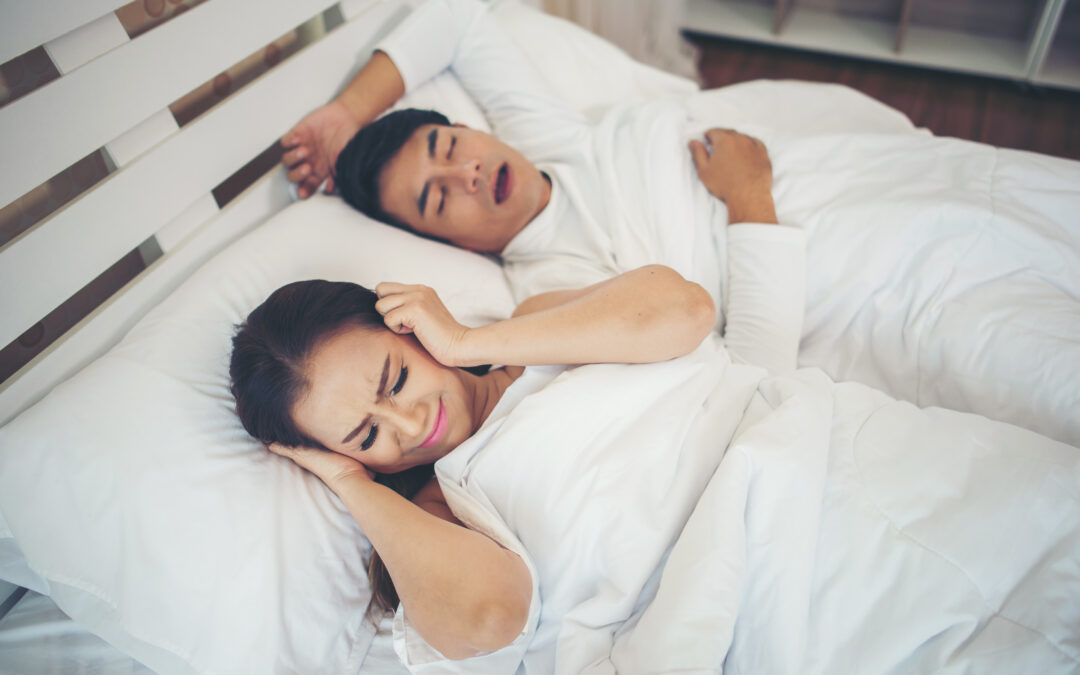
Many people believe that snoring and sleep apnea are the same condition. While they are closely related, they are not identical. Snoring is a common sleep-related problem that affects millions of people worldwide, whereas Obstructive Sleep Apnea (OSA) is a potentially serious medical condition that requires proper diagnosis and treatment.
Understanding the difference between snoring and sleep apnea is essential because untreated sleep apnea can significantly impact overall health, quality of life, and even life expectancy.
At Smiley Dental Clinic, Bhiwandi, we help patients identify sleep-related breathing disorders and provide oral appliance therapy for suitable cases of snoring and sleep apnea.
What Is Snoring?
Snoring is the sound produced when air flows through a partially narrowed airway during sleep. The vibration of soft tissues in the throat, palate, and tongue creates the characteristic snoring noise.
Snoring can range from mild and occasional to loud and chronic. While it may disturb sleep for partners and family members, snoring itself is not always dangerous.
Common Causes of Snoring
Several factors can contribute to snoring, including:
Excess body weight
Nasal congestion
Allergies
Smoking
Alcohol consumption before sleep
Sleeping on the back
Enlarged tonsils
Age-related muscle relaxation
Many people snore occasionally, especially when tired or suffering from a cold.
What Is Sleep Apnea?
Sleep apnea is a sleep disorder characterized by repeated interruptions in breathing during sleep.
The most common type is Obstructive Sleep Apnea (OSA), which occurs when the airway becomes partially or completely blocked, preventing normal airflow.
During these episodes, breathing may stop for several seconds before the brain signals the body to wake up briefly and restore airflow.
These interruptions can occur dozens or even hundreds of times each night, often without the patient realizing it.
Key Difference Between Snoring and Sleep Apnea
The primary difference is that:
Snoring is simply a sound caused by airflow vibration, while sleep apnea involves repeated pauses in breathing.
A person can snore without having sleep apnea. However, most individuals with obstructive sleep apnea also snore.
Comparison Table
|
Feature |
Snoring |
Sleep Apnea |
|---|---|---|
|
Noisy Breathing |
Yes |
Usually Yes |
|
Breathing Stops During Sleep |
No |
Yes |
|
Daytime Fatigue |
Rare |
Common |
|
Morning Headaches |
Uncommon |
Common |
|
Health Risks |
Minimal |
Significant |
|
Requires Medical Evaluation |
Sometimes |
Yes |
|
Impact on Oxygen Levels |
Minimal |
Significant |
Warning Signs of Sleep Apnea
Because sleep apnea often occurs while a person is asleep, many patients are unaware they have the condition.
Common symptoms include:
Night-Time Symptoms
Loud, chronic snoring
Gasping for air during sleep
Choking sensations
Restless sleep
Frequent awakenings
Dry mouth upon waking
Daytime Symptoms
Excessive daytime sleepiness
Fatigue despite adequate sleep
Difficulty concentrating
Poor memory
Mood changes
Irritability
Reduced work performance
If these symptoms are present, professional evaluation is strongly recommended.
Why Is Sleep Apnea Dangerous?
Unlike simple snoring, untreated sleep apnea affects the entire body.
Repeated breathing interruptions reduce oxygen levels and place stress on the cardiovascular system.
Research has linked untreated sleep apnea to:
Heart Disease
Frequent oxygen deprivation increases strain on the heart and blood vessels.
High Blood Pressure
Sleep apnea is a major contributor to hypertension.
Stroke
Patients with untreated sleep apnea have a higher risk of stroke.
Type 2 Diabetes
Sleep-disordered breathing is associated with insulin resistance and metabolic dysfunction.
Depression and Anxiety
Poor-quality sleep can significantly affect mental health.
Increased Accident Risk
Daytime drowsiness can increase the likelihood of motor vehicle and workplace accidents.
For these reasons, sleep apnea should never be ignored.
How Is Sleep Apnea Diagnosed?
Diagnosis typically involves a sleep study, also known as polysomnography.
The study evaluates:
Breathing patterns
Oxygen levels
Heart rate
Sleep stages
Airway obstruction events
The results help determine the severity of the condition and guide treatment recommendations.
Treatment Options for Snoring and Sleep Apnea
Treatment depends on the underlying cause and severity of the condition.
Lifestyle Modifications
Many patients benefit from:
Weight loss
Regular exercise
Smoking cessation
Limiting alcohol intake
Sleeping on the side
Treating nasal allergies
CPAP Therapy
Continuous Positive Airway Pressure (CPAP) is commonly recommended for moderate to severe sleep apnea.
It uses pressurized airflow to keep the airway open throughout the night.
Oral Appliance Therapy
For many patients with snoring or mild-to-moderate sleep apnea, a custom oral appliance can be highly effective.
These appliances:
Move the lower jaw slightly forward
Prevent airway collapse
Improve airflow
Reduce snoring
Enhance sleep quality
Oral appliances are comfortable, portable, and easy to use, making them a popular treatment option.
The Role of Dental Sleep Medicine
Dental Sleep Medicine is a specialized field that focuses on the oral and facial structures involved in breathing during sleep.
Dentists trained in this area can evaluate:
Jaw position
Tongue posture
Airway anatomy
Bite relationship
Based on these findings, they can provide customized oral appliance therapy for appropriate patients.
When Should You Seek Professional Help?
You should consult a healthcare professional if:
Snoring occurs regularly
Your partner notices breathing pauses
You wake up gasping for air
You experience daytime fatigue
You have difficulty concentrating
You suffer from frequent morning headaches
Early diagnosis can prevent serious complications and improve overall health.
Snoring and Sleep Apnea Treatment at Smiley Dental Clinic, Bhiwandi
At Smiley Dental Clinic, we understand the impact that snoring and sleep apnea can have on daily life. Through advanced Dental Sleep Medicine and customized oral appliance therapy, we help patients improve breathing, sleep quality, and overall well-being.
Our personalized approach focuses on comfortable, effective, and evidence-based treatment solutions tailored to each patient’s needs.
Final Thoughts
Although snoring and sleep apnea may appear similar, they are very different conditions. While simple snoring may only be a nuisance, sleep apnea is a serious health disorder that can affect the heart, brain, metabolism, and overall quality of life.
Recognizing the warning signs and seeking professional evaluation can lead to earlier diagnosis, better treatment outcomes, and healthier sleep. If you or a loved one experiences chronic snoring, excessive daytime sleepiness, or breathing interruptions during sleep, don’t wait to seek help.