


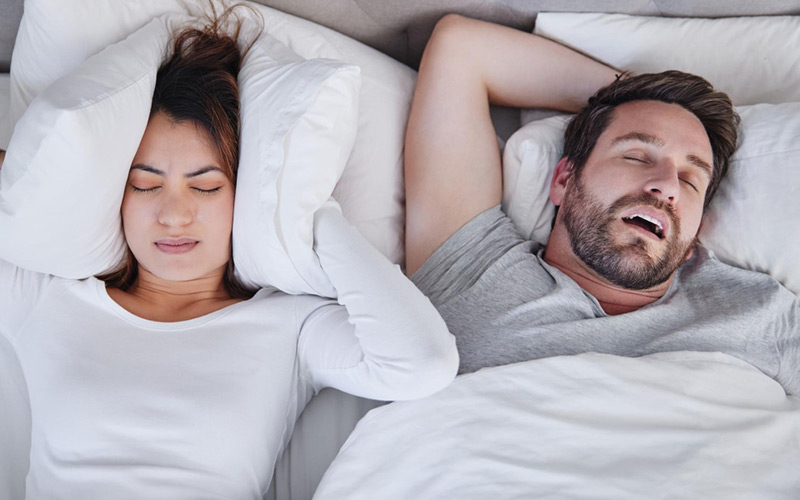
A good night’s sleep is essential for your body’s health, energy, and emotional well-being. However, for many people, restful sleep is disturbed by snoring — a common problem that may seem harmless but can sometimes signal a more serious condition known as sleep apnea. Understanding the difference between simple snoring and sleep apnea, and knowing when to seek professional help, can make a big difference to your health and quality of life.
What Causes Snoring?
Snoring occurs when the flow of air through your mouth and nose is partially blocked during sleep. This blockage causes the surrounding tissues to vibrate, producing the familiar snoring sound.
Common causes include:
Nasal congestion from allergies or cold
Obesity, which narrows the airway
Sleeping position, especially on the back
Alcohol or sedative use before bedtime
Anatomical factors such as enlarged tonsils or a deviated nasal septum
Occasional snoring may not be serious, but loud, frequent snoring can be a sign of something more concerning—Obstructive Sleep Apnea (OSA).
What is Sleep Apnea?
Sleep apnea is a sleep disorder in which breathing repeatedly stops and starts during sleep. The most common form, Obstructive Sleep Apnea (OSA), happens when the muscles at the back of your throat relax too much, causing your airway to collapse or become blocked.
As a result, your brain senses the lack of oxygen and briefly wakes you up to reopen the airway. These interruptions can happen dozens or even hundreds of times each night, preventing deep, restorative sleep.
Common Signs and Symptoms
Many people with sleep apnea are unaware of their condition. However, certain signs can help identify it:
Loud, chronic snoring (often noticed by a partner)
Pauses in breathing during sleep
Gasping or choking during sleep
Excessive daytime sleepiness or fatigue
Morning headaches
Difficulty concentrating or memory problems
Irritability and mood changes
Dry mouth or sore throat upon waking
If these symptoms sound familiar, it’s time to discuss them with a dentist or sleep specialist.
Health Risks of Ignoring Sleep Apnea
Untreated sleep apnea doesn’t just affect your sleep—it can have serious long-term effects on your overall health. These include:
High blood pressure and heart disease
Stroke and irregular heartbeats
Type 2 diabetes
Depression and anxiety
Increased risk of accidents due to sleepiness
Recognizing and treating sleep apnea early can help prevent these complications and improve your daily energy levels and mood.
When to Seek Medical Help
You should consult a doctor or dentist trained in sleep medicine if:
Your snoring is loud, frequent, and disruptive
You wake up gasping or choking
You feel excessively tired even after a full night’s sleep
Your partner notices pauses in your breathing
You have difficulty focusing or experience morning headaches regularly
A sleep study (polysomnography) may be recommended to diagnose sleep apnea accurately.
Treatment Options
Modern treatment options are highly effective and personalized. Depending on the cause and severity, your specialist may recommend:
Lifestyle changes: Losing weight, avoiding alcohol before bedtime, and sleeping on your side can significantly reduce snoring.
Oral Appliance Therapy: Dentists trained in Orofacial Pain and Sleep Medicine can design custom-made oral devices that gently reposition the jaw and tongue to keep your airway open during sleep.
Continuous Positive Airway Pressure (CPAP): A machine that delivers air through a mask to keep the airway open—often prescribed for moderate to severe sleep apnea.
Surgical options: In some cases, surgery may be recommended to remove excess tissue or correct structural issues in the airway.
Smiley Dental Clinic’s Expertise
At Smiley Dental Clinic, Bhiwandi, we understand how sleep-related breathing disorders can affect your health and quality of life.
Our Orofacial Pain and Sleep Medicine specialist Dr Nilashri Kene ; Master in Orofacial Pain and Sleep Medicine (Roseman University USA ) offers comprehensive evaluation and treatment for snoring and sleep apnea using advanced diagnostic tools and customized oral appliances.
If you or your loved one snores loudly or feels tired despite adequate sleep, don’t ignore the signs. Early intervention can help you breathe better, sleep deeper, and live healthier.
Take the First Step Toward Restful Sleep
Snoring isn’t just a nuisance—it can be a warning sign of a serious sleep disorder. Consult your dentist or sleep specialist today to identify the cause and get the right treatment.
At Smiley Dental Clinic, we’re here to help you rediscover peaceful, healthy sleep.