


Dental implants are one of the most reliable ways to replace missing teeth. With proper planning, good oral hygiene, regular dental check-ups, and healthy lifestyle habits, dental implants can remain functional for many years. However, an implant is not completely maintenance-free. Just like natural teeth, implants need daily care and professional monitoring to stay healthy.
At Smiley Dental Clinic, Bhiwandi, we believe that successful dental implant treatment does not end when the implant is placed. Long-term dental implant maintenance is an important part of protecting your smile and oral health.
1. Brush Your Teeth Twice a Day
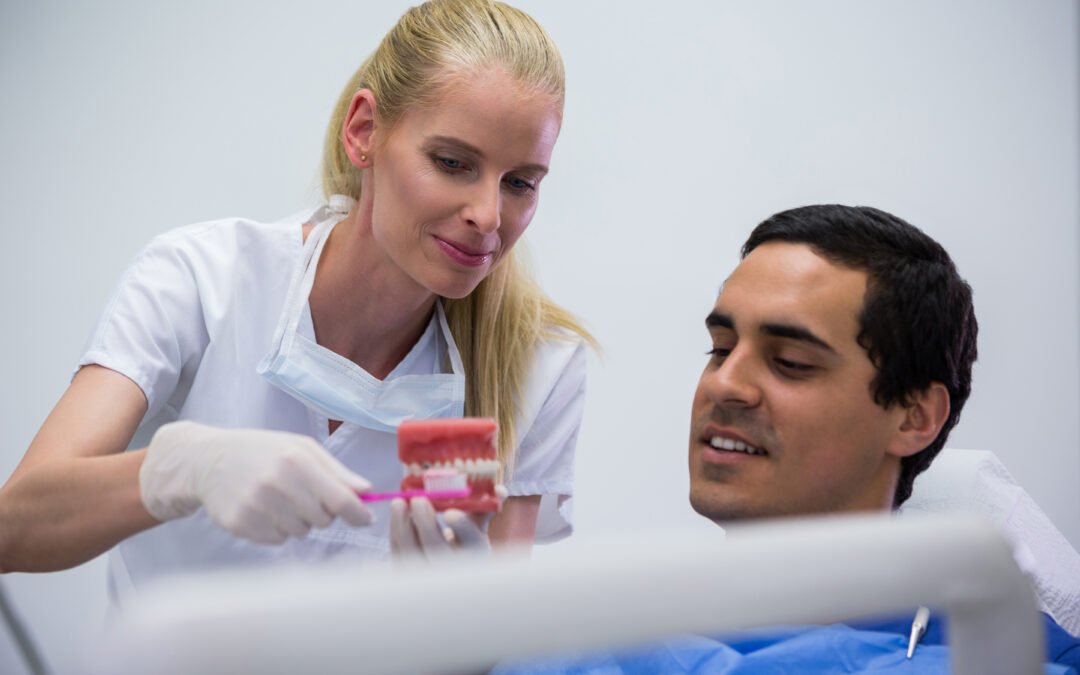
Good oral hygiene is the foundation of long-lasting dental implants. Brush your teeth twice daily for about two minutes using a soft-bristled toothbrush. An electric toothbrush may also be useful for removing plaque effectively.
Pay special attention to the gum line and the areas around your implant crown. Your dentist can recommend the most suitable toothbrush and technique according to your implant and gum condition.
Plaque accumulation around implants can cause inflammation called peri-implant mucositis. If this inflammation is not controlled, it may progress to peri-implantitis, which can cause bone loss around the implant.
2. Clean Between Your Teeth and Implants
Brushing alone cannot clean every surface around an implant. Cleaning between teeth is therefore an important part of dental implant care.
Depending on the design of your implant restoration, your dentist may recommend:
Interdental brushes
Dental floss or implant-specific floss
Water flossers/oral irrigators
Other specialised cleaning aids
The best method depends on the space around your implant and the type of crown or bridge you have.
3. Visit Your Dentist for Regular Implant Maintenance
Regular professional check-ups are essential for long-term dental implant success. During maintenance visits, your dentist can examine the gums, check for bleeding or inflammation, assess plaque and calculus, evaluate the implant restoration, and monitor the supporting bone when required.
Professional maintenance is associated with better peri-implant health and reduced risk of implant-related complications. The European Federation of Periodontology recommends a structured supportive care programme after implants are placed and functioning.
Your recall interval should be personalised. Some patients may need more frequent visits, particularly those with a history of gum disease.
4. Do Not Ignore Bleeding, Swelling or Pain
Healthy tissues around an implant should not regularly bleed, swell or produce pus. If you notice bleeding while brushing, redness, swelling, bad taste, persistent bad breath, discomfort, or looseness around an implant, contact your dentist promptly.
Early detection of peri-implant disease gives your dental team a better opportunity to control the problem before it affects the supporting bone.
5. Avoid Smoking and Tobacco
Smoking can negatively affect gum health and increases the risk of complications around dental implants. Avoiding tobacco is an important step in protecting your dental implant longevity. The EFP specifically identifies avoiding smoking as an important measure for preventing peri-implant diseases.
6. Protect Your Implant From Excessive Forces
Although dental implants are strong, excessive biting forces can damage the implant crown, screw or surrounding structures. Avoid habits such as chewing ice, biting hard objects, opening packages with your teeth, or repeatedly chewing very hard foods.
If you grind or clench your teeth, speak to your dentist. A professionally designed night guard may be recommended in suitable cases.
7. Maintain Overall Oral and General Health
Your implant is part of your complete oral health. Continue caring for your natural teeth, gums and tongue. If you have diabetes, gum disease, or other factors that may affect oral health, regular dental monitoring becomes even more important.
Research shows that consistent supportive implant care, combining professional maintenance with good home care, can improve implant survival and reduce peri-implant disease.
Can Dental Implants Last a Lifetime?
Dental implants are designed for long-term use, but no dentist can guarantee that an implant will last a lifetime. Their longevity depends on several factors, including implant placement, bone and gum health, oral hygiene, smoking, medical conditions, biting forces, and regular maintenance.
The good news is that proper dental implant care can significantly improve the chances of long-term success.
Conclusion
A dental implant is an investment in your smile, comfort and quality of life. Protect that investment with daily brushing, careful cleaning between teeth, regular professional implant maintenance, a tobacco-free lifestyle, and early attention to any warning signs.
If you have dental implants or are considering dental implants in Bhiwandi, consult the dental team at Smiley Dental Clinic for personalised implant care and long-term maintenance guidance.